Reflective Series
Entry-level solar control with a mirror-look exterior, and the volume product. The right answer on straightforward heat and glare work where budget leads and a reflective facade is acceptable to the landlord and the street.


Solar, decorative and privacy
Solar control film, commonly called window tinting, is applied to the glass you already have, as are decorative and privacy film. There is no replacement and no work to the frames. The building keeps operating while it is done.
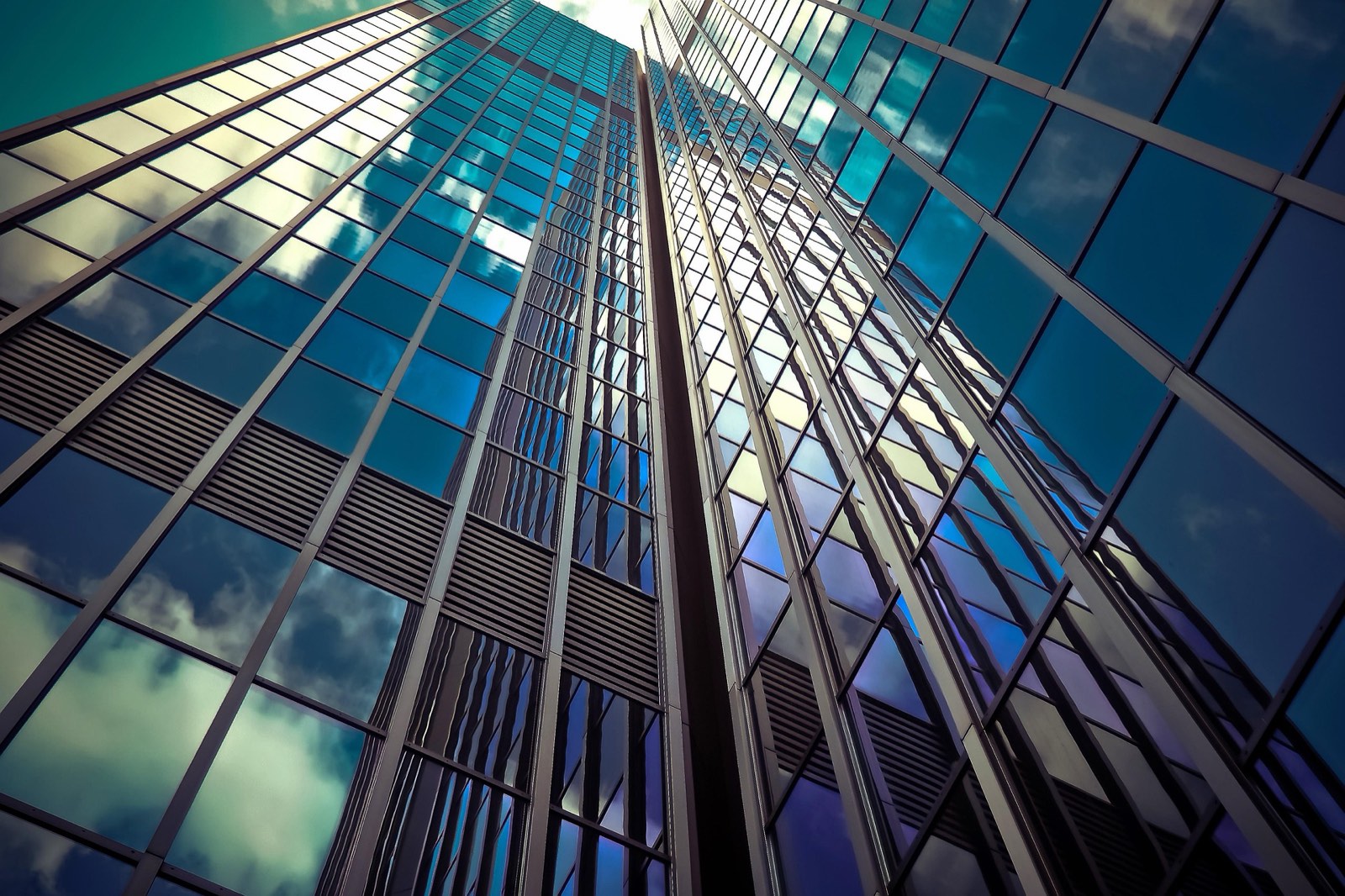
Desks near the windows run hot while the rest of the floor is comfortable, and glare falls across screens for part of the day. Blinds solve both by removing the daylight and the view, which is what the windows were there for. Air conditioning runs harder to hold a set point, and in Lebanon that is generator hours and fuel. Direct sun fades furniture, stock, finishes and artwork, and glass partitions and shopfronts often need privacy, manifestation or protection from tagging as well.
There is no single best solar film. There is a correct one for a given building, budget and appearance requirement.
Entry-level solar control with a mirror-look exterior, and the volume product. The right answer on straightforward heat and glare work where budget leads and a reflective facade is acceptable to the landlord and the street.
Metal sputtered rather than dyed, so the colour holds and the performance is higher than a dyed film of the same shade. Specified where colour stability over years matters.
The spectrally selective top line. It passes 70% of visible light while still rejecting heat, which is the answer when an architect wants performance without a dark or mirrored building.
Madico Solar Safety at 4 mil and 8 mil carries tint and safety thickness in a single product instead of two layers, where glass retention is wanted as well as solar control.
Solar performance is a property of the film and the glass together, so it belongs in a specification rather than on a web page.
Heat rejection and total solar energy figures are specific to each product and to the glass it is applied to. They are issued with the specification after the windows have been surveyed, and no such number is published here.
An on-site assessment of the windows. Orientation, glass type and condition, pane sizes and access, and which parts of the building actually have the problem. For a fit-out, the drawing or artwork for any manifestation as well.
The film named elevation by elevation or room by room, with the appearance from outside agreed before anything is ordered, and any safety glass requirement resolved at the same time.
Product ordered factory-direct from Madico in Pinellas Park, Florida. Grafiks manufactures nothing.
Supervised installation from inside on the existing glass, floor by floor, out of hours where a floor or a unit cannot be released. The glass stays in place throughout.
The manufacturer's warranty on the installed system rather than the film alone, issued through the Madico SafetyShield Premier Partner programme, with maintenance support afterwards.
Pricing is issued after a site survey. The survey is free and carries no obligation.
Everything Grafiks supplies is Madico film, supplied and installed. Grafiks manufactures nothing. What suits a given building is settled at the survey.
Heat, glare and fading control on existing glass.
Privacy, manifestation and surface protection on glass partitions and shopfronts.
Product level performance figures are issued with a specification after a survey, because they depend on the glass the film is applied to. No performance table is published here.
All of it is Madico film, supplied and installed. Grafiks manufactures nothing.
Frost Matte, White Out and Black Out for privacy and glass partitions, and Amber 81. A 12 mil Frost Matte where heavy privacy is wanted.
Night neutral, meaning it does not turn mirror-black from the inside after dark. For occupied offices and homes where the reflective look is objectionable.
Graffiti Free 400 and 600, and the Blister Free 600 and AG 600 surface films. Sacrificial by design, so a tagged or scratched film is replaced rather than the glass.
Solar or decorative performance added to a security thickness, so a single film can carry more than one property. Useful where a partition also has to satisfy a safety glass requirement.
The films are the same. What each reader is trying to fix is not.
Building owners, facilities managers and office managers.
Architects, interior designers, fit-out contractors and retail clients.
Homeowners who want the house cooler and more private without losing the view.
Only if a reflective film is specified. Nova 70 and the sputtered series exist so that a building can get solar performance without going dark or mirrored. Say at the survey how the building has to look from the street and the specification follows that.
Yes, that is the point of it. The survey confirms the glass type and its condition, and what can be specified on it.
That figure depends on the film and on the glass it is applied to, so it is issued with the specification after the survey rather than quoted from a page. Publishing a single number would be guesswork.
It reduces fading. 99% of ultraviolet is rejected, and ultraviolet is what film can address. Visible light and heat also contribute to fading, so no film eliminates it.
Manifestation and branding are produced from the decorative films listed above. Bring the drawing or the artwork to the survey and the specification will state what can be produced in film and at what size.
Not on its own. Where a partition has to meet a safety glass requirement, the decorative finish is combined with a safety thickness, and the specification states which.
No. Work is done on an occupied site, out of hours where a floor or a unit cannot be released. The films are also removable later.
Pricing is issued after the survey. Pane sizes, access and the film specified all change it, so no rate is published. The survey is free and carries no obligation.
The site survey is carried out by a certified installer. A specification and a price come from the person who saw the windows.
Pricing is issued after a site survey. The survey is free and carries no obligation.
Enquiries are handled in English, French and Arabic.